Water and Electricity: The Connection Most People Never Think About
Turn on the tap and clean water flows. Flush a toilet or send water down the drain and it disappears.
What many people never see is the enormous amount of electricity required behind the scenes to make that happen.
Water treatment plants (WTPs) and wastewater treatment plants (WWTPs) rely heavily on electricity to pump, filter, disinfect, aerate, and distribute water throughout their communities. In fact, water and wastewater infrastructure is one of the largest consumers of electricity in Illinois, accounting for an estimated 2.5% to 4% of statewide electricity use.
The average Illinois household uses roughly 6,000 to 9,000 gallons of water each month. Delivering and treating that water requires energy every step of the way. When multiplied across hundreds or thousands of homes, schools, farms, and businesses, the electrical demand for municipal water systems becomes substantial.
Because these facilities operate 24 hours a day, 365 days a year, electricity is often one of the largest line items in an operating budget. With uncertainty surrounding future utility rates and the gradual phase-out of certain federal clean energy incentives, many municipalities, water cooperatives, and public utility districts are taking action now to control long-term energy costs.
The good news? There are several proven strategies available today.
Top 7 Actions Water Plants Can Take to Reduce Electricity Costs
1. Install Solar Energy to Offset Daytime Electricity Use
Solar energy has become one of the most effective ways for water plants to reduce operating expenses.
Pumping, treatment, and support equipment create a large year-round electrical load, making many water facilities excellent candidates for solar. By generating electricity on-site, facilities can reduce purchased power and hedge against future electricity inflation.
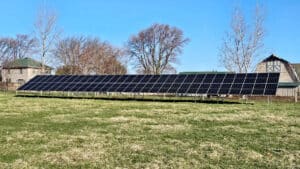
Tick Tock Energy helped EJ Water Cooperative’s Gila Water Treatment Plant deploy a 291 kW solar array designed to offset a significant portion of facility consumption while capturing valuable incentives. The project helps reduce exposure to future utility price increases while lowering long-term operating costs.
Action Item: Review at least 12 months of electric bills and determine whether solar could offset 20% to 80% of annual electricity consumption.
2. Take Advantage of Direct Pay Tax Credits While Available
Historically, many municipalities, rural water districts, and other tax-exempt organizations could not directly benefit from federal solar tax credits.
That changed with the introduction of direct-pay incentives, creating opportunities for public-sector and nonprofit entities to receive substantial federal support for eligible clean energy projects.
However, policy changes and incentive timelines continue to evolve. Facilities considering solar or battery storage should evaluate opportunities sooner rather than later. TAX CREDITS EXPIRE On 12/31/27. Your project must be energized before that date.
Action Item: Understand which federal, state, and utility incentives may still be available and how project timing impacts eligibility.
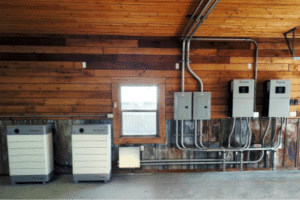
3. Evaluate Battery Energy Storage Systems (BESS)
Battery energy storage is attracting increased attention from municipal and industrial facilities.
A battery system can potentially:
- Reduce demand charges
- Improve resiliency
- Support critical operations during outages
- Complement solar generation
- Help manage peak electrical usage
For facilities with large motor loads and demand-sensitive utility rates, batteries may provide economic benefits beyond energy savings alone.
Action Item: Analyze utility demand charges to determine whether peak shaving with energy storage could create meaningful savings.
4. Lock in Electricity Rates Through Competitive Procurement
Illinois operates within a deregulated electricity market in many regions.
Instead of accepting utility default supply pricing, many facilities can compare offers from competitive suppliers and lock in fixed electric rates for 12, 24, or 36 months. This can reduce budget uncertainty and protect against short-term price volatility.
Given ongoing uncertainty in power markets, budget predictability alone can create significant value for municipalities and water operators.
Action Item: Compare current supply rates against available market pricing before your contract renews. Tick Tock Energy can help you obtain a electricity supply quote from 3rd-party suppliers for both electricity and natural gas in deregulated states. Contact us today.
5. Install Energy Monitoring and Submetering
You can’t manage what you don’t measure.
Many water facilities know their total monthly bill but lack visibility into where, when, and why electricity is being consumed. Energy monitoring systems provide real-time insight into equipment performance, peak demand events, and inefficiencies. Tick Tock Energy notes that monitoring often helps organizations identify operational improvements that can reduce energy consumption by 5% to 10%.
Submetering can also help isolate energy-intensive processes such as pumping, aeration systems, water production wells, administration building loads and other.
Action Item: Start collecting interval energy data to identify hidden cost drivers.
6. Improve Pumping Efficiency
For many facilities, pumps represent the single largest electrical load on site.
Efficiency improvements may include:
- Variable frequency drives (VFDs)
- Pump replacement
- Control optimization
- Pressure management strategies
- Improved operating schedules
Even modest efficiency gains can translate into meaningful savings when equipment runs around the clock.
Action Item: Evaluate high-hours pumps first, as they often provide the fastest return on investment.
7. Create a Long-Term Energy Management Strategy
The biggest savings opportunities rarely come from a single project. Leading water utilities are increasingly combining multiple strategies, including:
- Solar energy
- Battery storage
- Competitive electricity procurement
- Energy monitoring
- Pump optimization
- Facility efficiency upgrades
A comprehensive approach often delivers greater savings than any single measure on its own.
Action Item: Conduct an annual energy review to identify short-term and long-term opportunities.
Contact Tick Tock Energy to learn more about how these strategies apply to your facility.
Real-World Results from Illinois Water Facilities
Tick Tock Energy has worked with municipalities, water cooperatives, and public organizations throughout Illinois to reduce electricity costs and improve energy resiliency.
Projects and services have included:
- Solar energy systems for water treatment facilities
- Battery storage evaluations
- Electricity procurement strategies
- Power monitoring and submetering
- Energy efficiency improvements
- Utility rate analysis
For organizations like EJ Water Cooperative, reducing electricity costs is about more than saving money today. It’s about creating budget certainty and protecting ratepayers from future energy inflation while continuing to provide reliable essential services.
Want to read about some of these related projects?
Start With Your Electric Bill
The lowest-risk first step isn’t necessarily a solar project. It’s understanding where you’re spending money today.
A review of your utility bills can often uncover opportunities related to electricity rates, demand charges, energy efficiency, solar, battery storage, or monitoring systems.
As electricity prices remain uncertain and available incentives continue to evolve, many Illinois water and wastewater facilities are choosing to evaluate their options now rather than waiting.
Want to learn what opportunities may exist for your facility? Start with a complimentary electric bill analysis and discover where your greatest savings potential may be hiding.